

Performance Management Magazine, Fall 1982, Vol.1, No. 1
First printed issue of Performance Management Magazine featuring: In a Troubled Industry, Preston Trucking is Different; In 1980 Maryland-based Presting Trucking Co. instituted a new people-management philosophy called "PIP," (Performance Improvement Proces)...
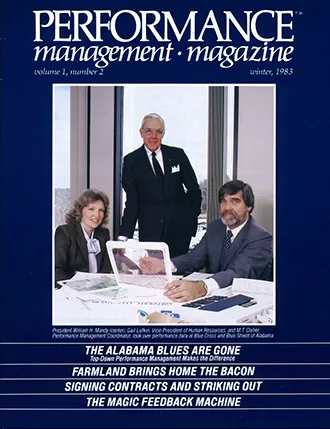
Performance Management Magazine, Winter 1983, Vol.1, No. 2
Performance Management Featured articles: Top-Down Performance Management Makes a Difference at Blue Cross Blue Shield, Farmland Brings Home the Bacon, Signing Contracts & Striking Out, & The Magic Feedback Machine.
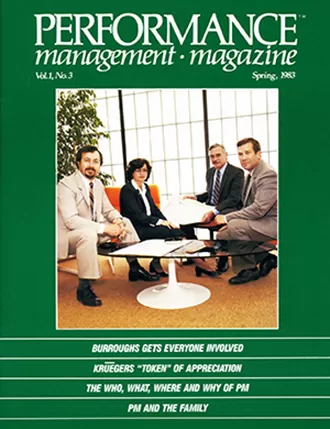
Performance Management Magazine, Spring 1983, Vol. 1, No. 3
Performance Management program at Burroughs Canada Plant accomplishes much more that it set out to do. Other Articles: Krueger gives its Employees a Real Token of Appreciation, What is PM?, Productivity on the College Campus, Coping with Stress-Induced Lower Back Pain, Finding Time to Train, PM…
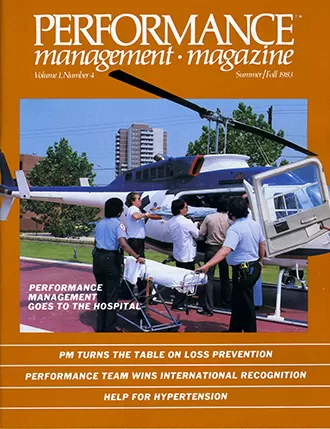
Performance Management Magazine, Summer/Fall 1983, Vol. 1, No. 4
Performance Management Goes To The Hospital. Other Articles: Catch Somebody Doing Something - PM Turns the table on Loss Prevention, The 18-Minute Manager, PM Scoops Up Profits at Baskin Robbins. Performance Management Teams Get a Big R+ At Xerox, Computers and Their Punishing Ways, You Teached Us…
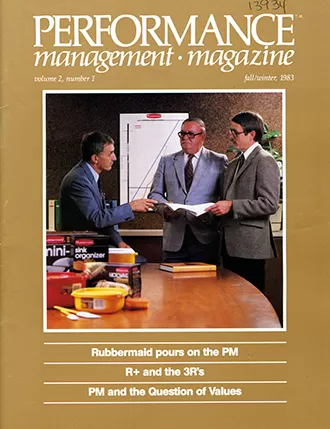
Performance Management Magazine, Fall/Winter 1983, Vol. 2, No. 1
Rubbermaid Pours on the PM with Innovation. Other Articles: R+ and the Future, Teamwork Scores with “Aged Claims”, Georgia Tech TAAC Assists with Performance Management, Issues in Performance Management, R+ Doctor, Reinforcement Alternatives, Performance Chain Reactions, Reading Performance…
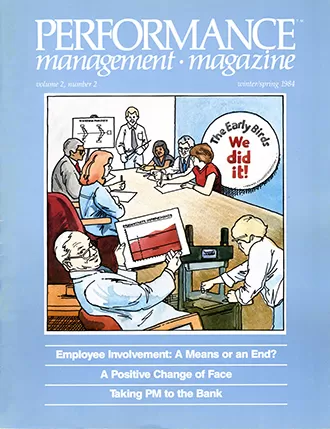
Performance Management Magazine, Winter/Spring 1984, Vol. 2, No. 2
Employee Involvement: A Means or an End? Other Articles: Performance Teams are “Pumped Up” at Ford, Taking PM to the Bank, A Positive Change of Face, The “Hurry Sickness”, PM Magazine Essay – Rediscovering the Work Ethic, Have you “managed” to do your part?
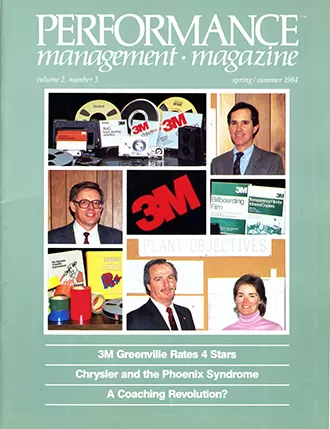
Performance Management Magazine, Spring/Summer 1984, Vol. 2, No. 3
3M Greenville Rates 4 Stars Other Articles: A Coaching Revolution? Chrysler and the Phoenix Syndrome, PM. One for the Books, Integrating PM into Performance Appraisal, Data-Based Performance Ratings, Why Good Performers Leave…
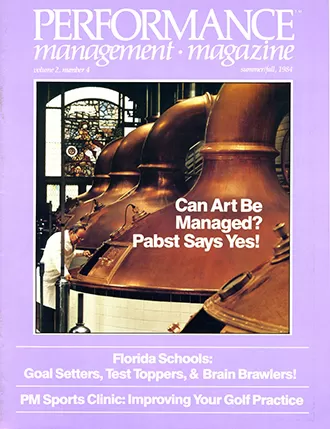
Performance Management Magazine, Summer/Fall 1984, Vol. 2, No. 4
Can Art be Managed? Other Articles: Florida Schools: Goal Setters, Test Toppers, & Brain Brawlers!, PM Sports Clinic, Shaping Employee Responsibility, Point: Some Thing to Consider, Counterpoint: Positive Process Produces Results, How to Improve Your R&R Meetings, Issues in Performance…

Performance Management Magazine, Fall/Winter 1984, Vol. 3, No. 1
Quality Quake or Trendy Tremor? Other Articles: Change and Conflict: A Healing Approach at St. Luke’s, PM Sports Clinic, Florida Schools: Goal Setters, Test Toppers, and Brain Brawlers, Part II, A Meeting of the Minds Results in Meeting the Goals, What’s New in Reinforcement?, The Power of…


Performance Management Magazine, Spring/Summer 1985, Vol. 3, No. 3
Delta Faucet “Untaps” Performance. Other Articles: Eastman Kodak’s Chemical Division “Develops” Quality Performance, Supervisor: Employee Performance Depends on Your Performance, CTI Provides the “I” and “T” for J.I.T!, Want to Learn Skills Quicker? Talk to Yourself!...
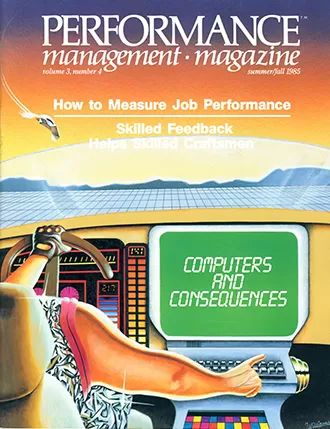
Performance Management Magazine, Summer/Fall 1985, Vol. 3, No. 4
Computers and Consequences. Other Articles: We Can’t Let you Down, Excellence Revisited, Performance Management and Juran on Quality Improvement Working Together to be the Best, Skilled Feedback Helps Skilled Craftsmen, Performance Data vs. Common Sense…
