

Bullying: Unhealthy for Humankind
 The issue of coercion (threat and fear) has long been an interest of mine for what it does to the behavior of those coerced and how it shows up in workplaces, schools, and in larger society. The behaviors of those who do the coercing are of interest as well. How do we manage the conditions in which bullying, an extreme form of coercion, occurs so that it is no longer a culturally acceptable act? The evidence is that not only is bully behavior growing, it is doing so through positive peer support and the larger endorsement found in readily available and often anonymous social networks.
 Yet, one of our greatest needs as a culture is learning to deal with bully behavior. The news is always full of stories about bullies in schools, some cases ending in the victim’s suicide. Too often, parents are forced to grapple with bullies threatening or actually physically abusing their children as they advance through school. Luckily, there is a growing urgency in finding solutions that work. Almost everyone has little difficulty identifying the specific behaviors of bullies, but there is great difficulty in knowing what to do to stop bully behavior and how to replace it with other socially correct behavior.
What Makes a Bully?
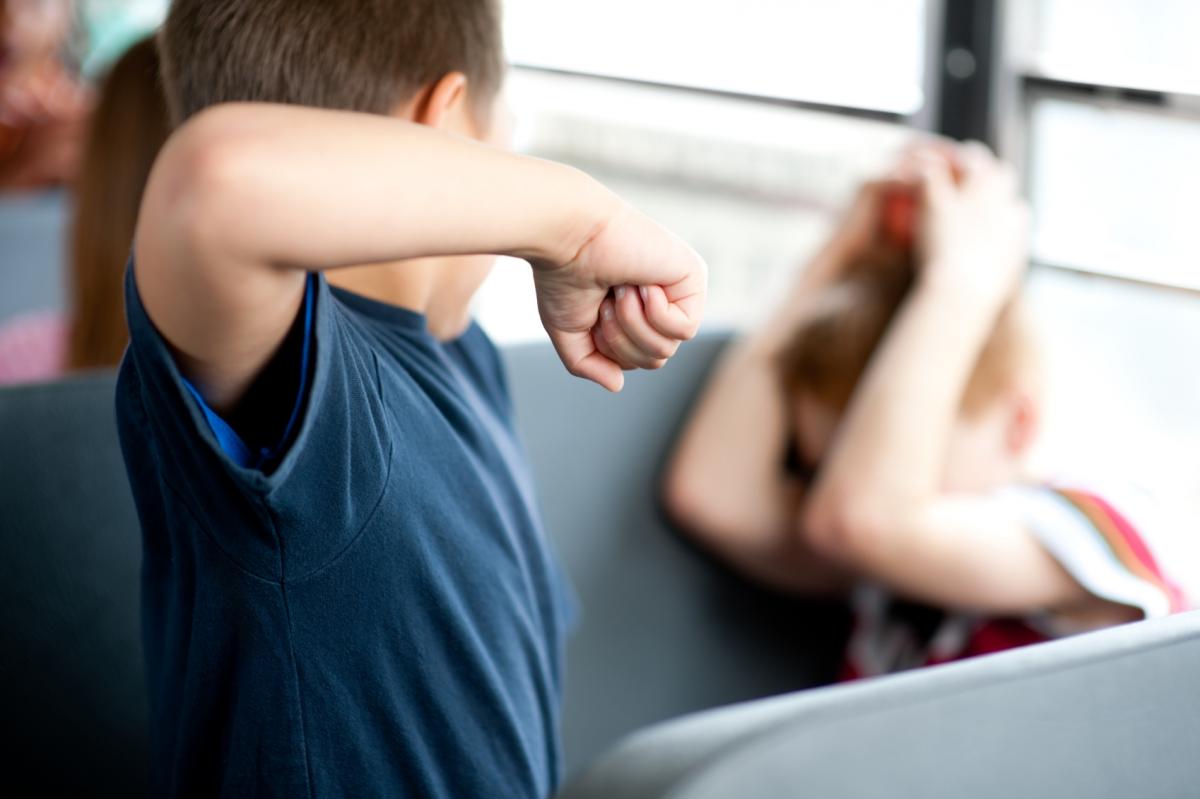 What creates and sustains the schoolyard bully as well as the exceptionally fluent bullies of society? People are not born to bully but are shaped to bully by their environments. The slippery slope toward becoming a bully is so very easy and each of us is vulnerable.
The Bullies Multiplier: Positive Reinforcement Unchecked

Those who reinforce bullying do not necessarily agree with what the bully does—they too are operating under conditions of reinforcement, often working to avoid threat or because of fear of the bully. Speaking up is difficult. They say what they must to “survive.” Worse is that sometimes they too are persuaded that beliefs, looks, group membership, or something else are indeed reasons to depersonalize and harm another. The bully behavior pattern potentially expands—like behavior in general—it flows where reinforcement goes. Size or age or relationships do not matter. Bullies may not describe or even “know” why they do what they do but, if they do it once and that behavior is reinforced by the responses of their victims or their peers, colleagues, or leaders, you can bet they will do it again. And as they do it again, physiological readiness intensifies, adding to the reinforcing properties of the bully event. Bullying escalates.
Reducing the Bully Learning Curve
Teach the Science of Behavior:
- Teach children, teachers and parents about the science of behavior. Teach them in terms of how to bring out the best® in themselves and others. Teach them the power of shaping to make a difference in how joyful learning can be—embed the principles found in the Ben Franklin quote: “Carve mistakes in sand and success in stone.”
- Help children use the tools they learn about to influence and impact others. Teach them how others influence and impact them. Describe what the role of consequences is in life—and with their peers, their pets and their adult parents. Teach them early. Children can in turn influence teachers, coaches and others through their understanding. It opens eyes. My three-year-old was being “lectured” by her father. She put her hands on her hips and said, “Big men should not yell at little girls.” She made her father laugh when she did that and while she still got the point, he also got the point. She was not going to be bullied into compliance.
- Teach children that all of us are greatly influenced by what each of us say and do.
- Teach children the behaviors that are needed to acquire learning, to demonstrate values and interact well across a group. Teach them that consequences (the unintended ones as well) affect future behavior. www.goodbehaviorgame.org
- Teach children how to make ethical choices in ways that are age appropriate. Children respond well to role models who ask them to be ethical in ways they can understand—to do the right thing even when it is difficult. http://charactercounts.org/programs/reportcard/2012/installment_report-card_honesty-integrity.html
- Have children examine the consequences that reinforce their own actions. Keeping positive behavior journals and positive reinforcement (R+) logs of what they do to others to make the day better can help them learn quickly to use themselves to influence good, not bad, whenever possible.
- Children need to understand that learning through positive social interaction is important. The more they know about how behavior occurs, the stronger children can be in arranging conditions that reinforce doing the right thing, whether they’re very young or almost grown-up teenagers.
- Practice and practice again. The training must go well beyond learning a long list of should and ought statements about what is viewed as right or good to practicing new behaviors in varied conditions. Conditions that include temptations and unexpected reinforcement for doing the wrong thing. Behavior analysts know that the correlation between what we say we will do and what we actually do are too often not the same. Achieving a kind of moral vigilance is very difficult, even for the most honorable among us.
Seek Evidence-Based Models of How to Respond to Bully Behavior at School
Though all such actions are well-intended none of them get to the consequences that sustain and accelerate bullying. Most of these efforts fall far short of what is being done in some schools using evidence-based behavior science to reduce the likelihood that bully behavior wins. Much more work needs to be done, but everyone who has children in school or wants effective strategies proven in scientific replication should know of this work sponsored by the Association for Positive Behavior Support (APBS). http://www.apbs.org/

The APBS has impressive data on reducing bullying across grades and socio-economic levels and provides a curriculum with specific skills to teach. It is among the best work available right now and the curriculum is free to anyone who wants to look closely at these verified principles for reducing bullying at school. I encourage you to go to their website and look for bully reduction curriculums: http://www.pbis.org/school/bully_prevention.aspx. While much is yet to be learned, they are dedicated to proving that their methods do indeed reduce the likelihood of bully behavior.
 Knowing they are not alone and are not to blame for the bullying they get is a wonderful gift for children at all ages in handling this school-based terror. Teachers are taught how to respond as are principals and others. As these dedicated APBS specialists extend their model, they are also using these techniques with gangs and incarcerated youth. Such a valued effort is producing excellent results. Download their simple and easy-to- replicate strategy. Talk to those who are trained behavior analysts in this field and insist that your school system look carefully at such a program. Read their research. Nothing is more important to creating a safe and solid learning environment and for creating socially alert children who become the adults of tomorrow than reducing bullying today.
Coming soon, a look at the larger social conditions that surround us and how this science of behavior can be used to help reduce coercion and accelerate positive behavior change across our larger cultural interactions www.aubreydanielsinstittute.com.
Published June 2014
